Santorini’s Wild Beauty: Where Cliffs Meet the Infinite Blue
You know that feeling when a place just takes your breath away? Santorini did that to me—no exaggeration. I’m talking sheer volcanic cliffs, blinding white houses clinging to edges, and a sea so blue it looks photoshopped. This island isn’t just pretty; it’s raw, dramatic nature at its finest. If you're chasing real natural magic, not just Insta-perfect streets, then trust me—you gotta see Santorini’s landscapes for yourself. It’s not just a destination; it’s a geological masterpiece sculpted by fire, water, and time. Every curve of the coastline, every hue of the sand, every breeze over the caldera tells a story millions of years in the making. And once you step onto this Aegean jewel, you’ll understand why its wild beauty lingers in your soul long after you’ve left.
The Volcanic Heart of Santorini
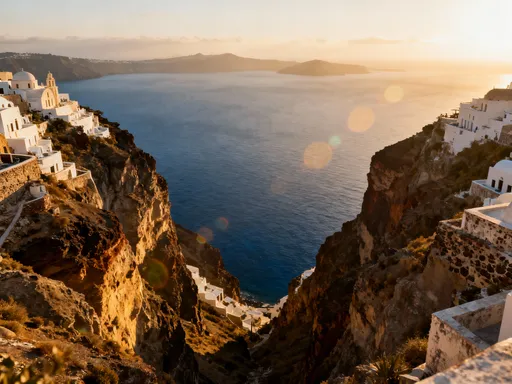
Santorini is not just an island—it is the visible remnant of one of the most powerful volcanic events in human history. Approximately 3,600 years ago, a colossal eruption shattered the original circular island, collapsing its center and forming what is now known as the Santorini caldera. This immense geological drama left behind steep cliffs rising over 300 meters above the Aegean Sea, with layers of ash, pumice, and lava forming the island’s dramatic profile. The crescent shape of modern Santorini—comprising Thera, Therasia, and Aspronisi—is the surviving rim of that ancient volcano. This tectonic legacy is not just a footnote in history books; it is the very foundation of the island’s breathtaking topography and one of the most studied volcanic systems in the world.
The forces that shaped Santorini are still subtly active today. Geologists monitor the area closely, as minor seismic activity and occasional underwater eruptions at the Nea Kameni and Palea Kameni islets indicate the volcanic system remains alive. Yet, this ongoing activity poses no immediate danger to visitors and instead contributes to the island’s unique thermal springs and mineral-rich landscapes. The volcanic soil, rich in iron, magnesium, and other minerals, supports a rare form of agriculture where vines grow in coiled baskets close to the ground, protected from the fierce winds. This same soil gives the island its striking color palette—red, black, and rust-colored rock formations that contrast vividly with the white-washed buildings and deep blue sea.
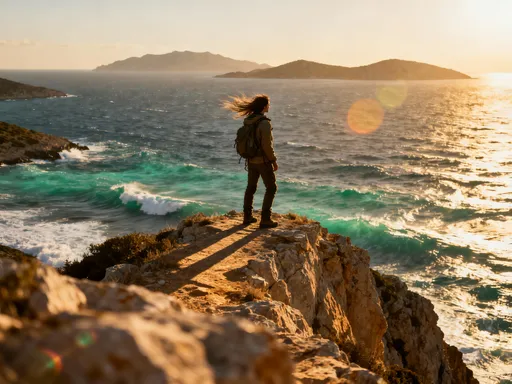
To truly appreciate the scale of this geological wonder, visitors should begin in Fira, the island’s capital, perched directly on the caldera’s edge. From here, panoramic views stretch across the flooded crater to the volcanic islets in the center. The walkway along the cliff offers unobstructed sightlines and is especially powerful at sunrise, when the morning light reveals the contours of the caldera in soft gold and shadow. For a more elevated experience, Imerovigli, often called the ‘balcony to the Aegean,’ provides one of the highest vantage points on the island. Standing there, with the wind in your hair and the vastness of the sea below, you gain a visceral understanding of nature’s power and precision. To avoid the midday crowds, arrive early—between 7:00 and 8:30 a.m.—when the air is crisp and the light is ideal for photography.
Caldera Views That Stop Time
There is something almost spiritual about standing on the edge of the Santorini caldera. The sheer drop, the endless blue, the quiet hum of the wind—it creates a moment of stillness that few places on Earth can match. This is not just a view; it is an experience that engages all the senses. The scent of wild thyme carried on the breeze, the warmth of the sun on sun-bleached stone, the distant cry of seabirds circling below—all come together to form a deep emotional connection with the landscape. For many visitors, this moment becomes the defining memory of their trip, a pause in time where the ordinary falls away and the sublime takes over.
Fira offers the most accessible and energetic caldera perspective. Lined with cafes, shops, and museums, it is ideal for those who want comfort alongside beauty. The main promenade is wide and well-maintained, making it easy for families and older travelers to enjoy the view. Yet, for a quieter, more contemplative experience, Oia remains iconic—especially at sunset. The narrow cobblestone streets fill with people hours in advance, all vying for a glimpse of the sun melting into the sea. While the spectacle is undeniably beautiful, the crowds can detract from the serenity. A better alternative for solitude is Skaros Rock, a dramatic promontory just outside Imerovigli. Once the site of a medieval castle, it now serves as a natural viewpoint with sweeping 270-degree views of the caldera. The short hike down is well-marked, though uneven in places, so sturdy footwear is recommended.
For those seeking a more immersive experience, walking the caldera edge offers continuous rewards. The trail from Fira to Imerovigli, though only about 3 kilometers, unfolds with constantly shifting perspectives. At every turn, the light plays differently on the water, the cliffs reveal new textures, and hidden chapels appear in unexpected corners. This is not a place to rush. Take time to sit on a stone bench, breathe deeply, and let the vastness sink in. Early morning or late afternoon are ideal—cooler temperatures, softer light, and fewer people. Bring water, wear a hat, and respect the barriers in place; the soft volcanic rock is prone to erosion, and safety is paramount. When you finally turn back toward the village, you’ll carry with you not just photos, but a quiet sense of awe that stays with you long after.
Beaches Born from Fire
Santorini’s beaches are unlike any other in the Mediterranean. They are not the result of gentle tides or river deposits, but of fire and explosion. Each shore tells a story of volcanic creation, shaped by lava flows, ash falls, and mineral deposits. The most famous, Red Beach near Akrotiri, gets its name from the towering red and ochre cliffs that rise behind it—a vivid reminder of the island’s fiery origins. The sand itself is a mix of crushed volcanic rock, iron oxide, and basalt, giving it a coarse, warm texture that heats quickly under the sun. Because of its geological significance and fragile structure, access to Red Beach is now limited during peak season, and swimming is only permitted in designated areas to protect both visitors and the environment.
Further east, Perissa and Kamari offer contrasting experiences. Both are long stretches of black sand, cooled lava remnants that absorb sunlight and create a uniquely warm beach environment. Perissa, more laid-back and family-friendly, has a relaxed vibe with tavernas set just behind the shore and bike paths running parallel to the coast. Kamari, slightly more developed, features a scenic seaside promenade lined with restaurants and bars, making it ideal for those who want amenities within easy reach. Despite their popularity, both beaches maintain a sense of openness, with plenty of space to spread out, especially in the mornings. The water is generally calm and clear, perfect for swimming and snorkeling, though it can be cooler than other Greek islands due to the volcanic seabed.
What makes these beaches truly special is their sensory contrast—the dark sand against the bright blue sea, the warm ground underfoot, the sharp scent of salt and minerals in the air. But with this beauty comes responsibility. The cliffs and rock formations are fragile, and erosion from foot traffic and weathering is a growing concern. Visitors are urged to stay on marked paths, avoid climbing on unstable rocks, and never remove stones or sand as souvenirs. Footwear is essential when walking near the cliffs—flip-flops offer little protection on sharp terrain. For the best experience, arrive before 10 a.m. or after 4 p.m., when the sun is less intense and the beaches are quieter. Whether you seek solitude or a day of seaside relaxation, Santorini’s volcanic shores offer a rare connection to the Earth’s creative forces.
Hiking the Fira to Oia Trail
Widely regarded as one of the most scenic hikes in Greece, the Fira to Oia trail spans approximately 10 kilometers along the caldera’s edge, offering uninterrupted views of the Aegean and the island’s dramatic cliffs. This well-trodden path is not a wilderness trek, but a carefully maintained route that balances accessibility with natural beauty. Starting in Fira, the trail winds northwest through Firostefani and Imerovigli before reaching the quieter outskirts of Oia. While the elevation changes are moderate, the path includes stairs, uneven stone steps, and exposed sections with no shade—making it a physically engaging experience, especially in summer.
The trail’s true magic lies in its rhythm. Each village along the way has its own character—Fira’s energy, Firostefani’s elegance, Imerovigli’s serenity—yet the landscape remains consistently awe-inspiring. Along the route, you’ll pass small family-run cafes tucked into the rocks, offering cold drinks, Greek coffee, and light snacks. These rest stops are not just convenient—they are lifelines in the heat. Locals often set up shaded benches near overlooks, some with hand-painted signs pointing to hidden viewpoints. These quiet moments—sipping water while gazing at the endless blue—are what make the hike memorable beyond the physical challenge.
Timing is crucial. Summer temperatures can exceed 35°C (95°F), and with little shade, heat exhaustion is a real risk. The best strategy is to begin at sunrise—around 6:00 a.m.—when the air is cool and the light is soft. This also allows you to reach Oia by late morning, avoiding the afternoon influx of tourists and cruise ship visitors. Wear lightweight, breathable clothing, a wide-brimmed hat, and UV-protective sunglasses. Most importantly, carry at least two liters of water per person. While some cafes sell drinks, relying on them can be risky during busy periods. The hike typically takes 3 to 4 hours at a leisurely pace, with time for photos and breaks. For those who prefer a shorter version, the segment from Fira to Imerovigli—about 4 kilometers—offers many of the same views with less exertion.
Sunset Culture Beyond Oia
No discussion of Santorini is complete without mention of the sunset. In Oia, it has become a nightly ritual, drawing crowds from around the world to witness the sun dip below the horizon, painting the sky in shades of gold, pink, and violet. The official viewing spot near the castle ruins fills up two to three hours in advance, with photographers jostling for position and guides leading organized groups. While the spectacle is undeniably beautiful, the congestion can turn a moment of natural wonder into a logistical challenge. The noise, the crowds, the scramble for space—it can feel more like a performance than a personal experience.
Yet, there are quieter, more intimate ways to enjoy this daily miracle. Imerovigli, situated at the highest point of the caldera, offers panoramic sunset views without the masses. The village’s elevated position means you can watch the sun descend behind the islands of Therasia and Aspronisi, with fewer people and more space to reflect. Another alternative is a caldera boat tour, which departs from Amoudi Bay in the late afternoon. From the water, the cliffs glow in the fading light, and the perspective is entirely different—upward, rather than down. The gentle rocking of the boat, the silence broken only by the lapping of waves, creates a meditative atmosphere that enhances the moment.
Regardless of where you choose to watch, it’s important to respect the local community. Oia is a living village, not just a tourist backdrop. Loud behavior, blocking doorways, or trespassing on private property for a better view undermines the very beauty visitors come to admire. Many families have lived here for generations, and their daily lives continue even as the world gathers to watch the sky change color. By arriving early, staying on designated paths, and keeping noise to a minimum, travelers can enjoy the sunset while honoring the place and people who call it home. After all, the true magic of Santorini lies not just in what we see, but in how we choose to experience it.
Exploring the Hidden Side: Beyond the Postcard
While the caldera edge and famous villages draw the majority of visitors, Santorini’s inland landscapes offer a different kind of beauty—one rooted in tradition, agriculture, and quiet resilience. Pyrgos, once the island’s capital, sits atop a hill away from the coast, surrounded by vineyards and ancient stone walls. Its maze-like streets, shaded courtyards, and panoramic rooftop terraces provide a glimpse into pre-tourism Santorini. Unlike the bustling coastal towns, Pyrgos moves at a slower pace, where locals greet each other by name and cats nap in sunlit doorways. Climbing to the Venetian castle at the top rewards visitors with one of the best all-around views of the island, including the caldera, the southern coast, and the distant sea.
The island’s unique microclimate plays a crucial role in its ability to sustain agriculture despite arid conditions. The volcanic soil retains moisture, and the lack of traditional rainfall is offset by a practice known as ‘dry farming,’ where vines are trained into low, basket-shaped forms close to the ground. This method protects them from strong winds and maximizes dew collection. The result is the production of Assyrtiko grapes, used to make Santorini’s crisp, mineral-rich white wines. Several family-run wineries, such as Gavalas and Estate Argyros, welcome visitors for tastings and tours, offering insight into centuries-old techniques that continue to thrive.
For those seeking solitude, remote coastal paths like the one from Vlychada to Akrotiri Lighthouse offer a chance to walk where few tourists go. These trails follow the rugged southern coastline, passing abandoned fishing huts, wind-sculpted rocks, and hidden coves. The air is saltier, the light sharper, and the sense of discovery stronger. Slow travel—spending days rather than hours, engaging with local life, and venturing beyond the highlights—is the key to experiencing Santorini’s authentic spirit. By choosing lesser-known paths and supporting small businesses, travelers can enjoy the island’s beauty without contributing to overtourism, preserving its charm for future generations.
Responsible Travel in a Fragile Paradise
Santorini’s beauty is undeniable, but it is also fragile. The very forces that created its dramatic landscapes—volcanic activity, wind, and sea erosion—continue to shape the island today. Human activity, particularly mass tourism, adds additional pressure. Trails are wearing down, waste management systems are strained, and water resources are limited. With over two million visitors annually, many arriving on day trips from cruise ships, the island’s infrastructure is often stretched beyond capacity. The result is visible in littered pathways, overcrowded viewpoints, and damage to sensitive geological formations.
Travelers have a responsibility to minimize their impact. Simple actions make a difference: staying on marked trails to prevent soil erosion, carrying reusable water bottles to reduce plastic waste, and disposing of trash properly. Many hotels and cafes now offer free water refills, making it easier than ever to travel sustainably. Choosing eco-conscious tour operators, supporting family-run restaurants, and purchasing locally made goods help ensure that tourism benefits the local economy rather than external corporations. Respecting quiet hours, especially in residential areas, and avoiding loud behavior at viewpoints contribute to a more harmonious experience for everyone.
Preserving Santorini is not just about protecting scenery—it’s about honoring a living culture and a delicate ecosystem. The island’s wild beauty is not a backdrop for photographs; it is a dynamic, evolving environment shaped by nature and nurtured by generations of islanders. By traveling with awareness, humility, and care, visitors can help ensure that Santorini remains a place of wonder, not just for this generation, but for all who will come after. Let us leave only footprints, carry only memories, and protect the soul of this extraordinary island—for its sake, and for ours.