You Won’t Believe These Hidden Art Spots in Singapore
Singapore isn’t just skyscrapers and street food—it’s a living canvas. I was blown away by how art hides in plain sight, from hawker center murals to futuristic installations in unexpected corners. These spaces don’t just look good—they tell stories, spark emotions, and transform ordinary walks into gallery-worthy moments. If you think art here is limited to museums, think again. This is a city where creativity breathes through every neighborhood. With thoughtful urban planning and a deep respect for cultural heritage, Singapore has turned public spaces into stages for artistic expression. This guide will take you beyond the obvious, revealing layers of creativity that enrich daily life and invite deeper connection with the city’s soul.
The Urban Canvas: Art Beyond the Museum Walls
Singapore’s art scene thrives far beyond the polished floors of museums. The city-state has embraced public art as a vital thread in its urban fabric, weaving creativity into everyday life. From the moment you step off the MRT at City Hall Station and see the striking bronze sculptures embedded in the walls, to walking past colorful murals in Housing and Development Board (HDB) estates, art is not an afterthought—it’s part of the design. The Public Art Trust, established by the National Arts Council, plays a key role in commissioning and curating works that reflect Singapore’s multicultural identity and evolving narrative. These installations are not merely decorative; they serve as landmarks, conversation starters, and emotional anchors for communities.
What makes this shift significant is accessibility. Unlike traditional galleries that may feel exclusive or intimidating, public art meets people where they are—on their commute, during school drop-offs, or while shopping for groceries. A child might pause to touch a textured wall at Bishan Park, unaware it’s a commissioned piece about water conservation. A senior citizen might sit daily beside a sculpture that echoes memories of village life. These moments of quiet connection are intentional. Urban planners and artists collaborate to ensure that art contributes to a sense of belonging, especially in a rapidly modernizing city where change can feel disorienting.
Take the Ayer Rajah Expressway underpass near one-north, once a dim and overlooked space. Today, it’s transformed by a vibrant mural stretching over 200 meters, depicting local flora and fauna alongside scientific motifs—a nod to the nearby research hub. The project, led by local artists in partnership with government agencies, turned a neglected area into a point of pride. Similarly, the Punggol Waterway Park features sculptural installations shaped like mangrove roots and dragonflies, blending environmental education with aesthetic appeal. These examples show how public art in Singapore serves multiple purposes: beautification, storytelling, education, and community building.
The integration of art into infrastructure also reflects a long-term vision. The Land Transport Authority includes art considerations in MRT station designs, ensuring each station has a unique visual identity tied to its neighborhood. For instance, Dhoby Ghaut Station features layered glass panels illustrating the area’s historical laundry trade, while Little India Station bursts with stained-glass mosaics in saffron and turquoise. This approach ensures that even transit becomes a cultural experience. By embedding art into the bones of the city, Singapore democratizes access to creativity, making it a shared inheritance rather than a privilege.
Street Art Soul in Kampong Glam and Little India
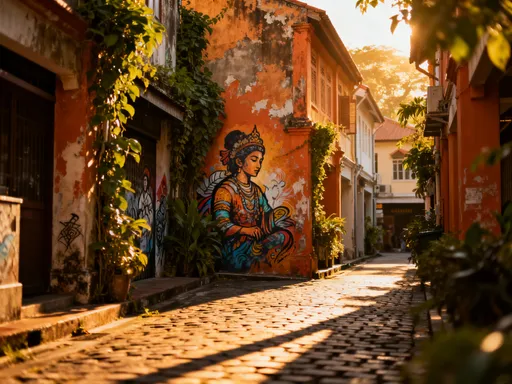
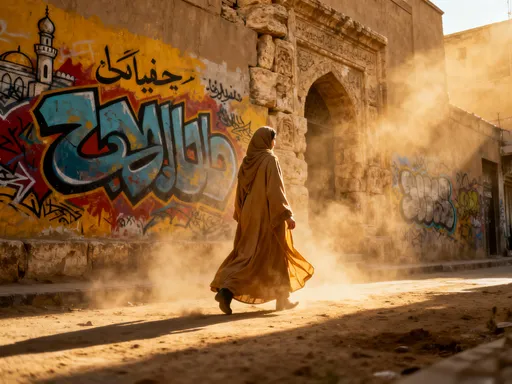
Two of Singapore’s most vibrant neighborhoods, Kampong Glam and Little India, pulse with artistic energy expressed through color, pattern, and symbolism. These areas are not just cultural enclaves—they are open-air galleries where tradition and contemporary expression coexist. In Kampong Glam, particularly along Haji Lane, walls tell stories through murals that blend Malay-Arabic calligraphy with modern street art techniques. One iconic piece features a woman in a tudung (headscarf) with floral patterns blooming from her fingertips, symbolizing growth and resilience. Another shows a cat wearing traditional Peranakan jewelry, adding whimsy while honoring heritage craftsmanship.
The transformation of Haji Lane from a quiet backstreet to a creative hotspot mirrors Singapore’s broader embrace of grassroots art. Independent galleries, vintage shops, and indie cafés line the narrow road, each contributing to an atmosphere where self-expression flourishes. Artists often work with building owners to paint facades, turning shophouses into canvases that celebrate Malay-Muslim culture while engaging with global art trends. During festivals like Hari Raya, these murals become backdrops for family photos, further embedding them into community life. For visitors, early morning or late afternoon offers the best light for photography, and weekdays tend to be less crowded, allowing for a more intimate experience.
Just a short walk away, Little India bursts with a different kind of visual rhythm. Here, art is deeply tied to religious and cultural identity. Along Serangoon Road, temple exteriors are adorned with intricate stucco figures of deities, their bright colors glowing under the sun. But beyond these traditional forms, newer street art projects have begun to emerge. Near Dunlop Street, a series of alleyway murals depict scenes from Indian epics like the Ramayana, rendered in a stylized comic-book aesthetic that appeals to younger audiences. These works help bridge generations, making ancient stories feel immediate and relevant.
One standout initiative is the rejuvenation of Campbell Lane, where local artists collaborated with the Singapore Tourism Board to revitalize the area through art. The result is a dynamic stretch of walls covered in bold geometric patterns, vibrant portraits, and phrases in Tamil script that speak of hope and unity. Walking this route, especially during the Diwali festival season, feels like stepping into a living painting. Vendors sell marigold garlands and sparklers, while the scent of incense mingles with the aroma of dosas frying in nearby stalls. It’s a multisensory celebration where art enhances the cultural experience rather than overshadowing it.
For families exploring these neighborhoods, combining art viewing with food and shopping creates a rich, well-rounded outing. A stop at a heritage bakery for kueh lapis, followed by a cool drink at a rooftop café overlooking the murals, turns a simple walk into a meaningful journey. These areas prove that street art is not about rebellion or disruption—it’s about identity, continuity, and joy.
Gillman Barracks: A Quiet Hub for Contemporary Voices
Nestled in a leafy corner of Singapore’s southern ridge, Gillman Barracks offers a serene counterpoint to the city’s bustling energy. Once a British military base, this cluster of colonial-era buildings has been thoughtfully repurposed into a contemporary art enclave. Today, it houses internationally recognized galleries such as STPI – Creative Workshop & Gallery, Sullivan+Strumpf, and Mizuma Gallery, attracting collectors, curators, and art lovers seeking depth and discovery. The site’s tranquil atmosphere—shaded by tall rain trees and bordered by lush greenery—creates an ideal environment for contemplation, allowing visitors to engage with challenging and innovative works without distraction.
What sets Gillman Barracks apart is its focus on experimental and concept-driven art. STPI, in particular, is renowned for its collaborations with artists who push the boundaries of paper and printmaking. Exhibitions here often feature large-scale installations, handcrafted paper sculptures, and mixed-media works that explore themes like memory, migration, and environmental change. One recent showcase included a suspended forest of handmade paper leaves inscribed with handwritten letters from migrants—each piece fragile yet powerful, inviting quiet reflection. These are not pieces designed for quick Instagram snaps; they demand time, presence, and emotional openness.
The programming at Gillman Barracks emphasizes dialogue between local and international artists. Japanese contemporary masters, Southeast Asian emerging talents, and European conceptualists all find space here, creating a cross-cultural exchange that enriches Singapore’s artistic landscape. The galleries frequently host artist talks, studio visits, and workshops, offering deeper insight into the creative process. For families, some weekends feature family-friendly activities like paper-making sessions or guided storytelling tours, making contemporary art accessible even to young children.
Visiting Gillman Barracks feels like stepping into a private art retreat. There are no crowds, no loud music, just the soft rustle of leaves and the occasional murmur from a guided tour. This calmness is intentional—it allows the art to speak clearly. Whether you’re drawn to a minimalist ink drawing or a provocative video installation, the space encourages you to slow down and listen. For women in their 30s to 50s who may juggle work, family, and personal interests, this kind of mindful experience can be deeply restorative. It’s not just about seeing art; it’s about feeling seen by it.
Art Islands: Sentosa and Beyond
Sentosa Island, best known for its beaches and theme parks, has quietly become a destination for large-scale, immersive art experiences. At the heart of this transformation is the ArtScience Museum, a striking architectural marvel designed to resemble a lotus flower. Its white petals reach skyward, each tipped with a pool that channels rainwater into a central fountain—a poetic nod to sustainability and the flow of ideas. Inside, the museum hosts rotating exhibitions that merge art, science, technology, and nature, appealing to curious minds of all ages.
One of its most popular exhibitions, *Future World: Where Art Meets Science*, was co-created with the renowned Japanese collective teamLab. This digital art experience transforms rooms into living ecosystems—flowers bloom and fade on walls in response to movement, schools of light-fish swim across floors as children chase them, and constellations form and dissolve above. The interactivity makes it especially engaging for families; parents often find themselves just as captivated as their children. Unlike traditional museums where ‘do not touch’ signs dominate, here participation is the point. Kids learn about patterns, seasons, and ecosystems through play, while adults rediscover the wonder of imagination.
Beyond the museum, Sentosa’s outdoor spaces also host artistic interventions. Along the coastal walk, sculptural installations made from recycled materials highlight ocean conservation. One piece, a giant sea turtle crafted from reclaimed plastic, stands as both a warning and a tribute to marine life. Another, a series of mirrored spheres embedded in the sand, reflects the sky and sea, encouraging visitors to see the landscape from new angles. These works don’t shout—they invite. They ask you to pause, look closely, and consider your relationship with nature.
What makes Sentosa’s art offerings unique is their accessibility. Unlike private galleries or high-ticket events, many of these experiences are included in general admission or free to the public. The island’s layout also makes it easy to combine art with leisure—spend the morning at the museum, enjoy a relaxed lunch at a seaside café, then stroll through the art trail before catching the sunset. For families or groups of friends, it’s a way to enjoy culture without pressure or pretense.
Hidden Gems: Art in Unexpected Corners
Beyond the well-trodden paths lie lesser-known spots where art thrives in raw, unfiltered forms. Pasir Ris Park, for example, is home to a mural trail that winds through its coastal forest. Local artists have painted scenes of mangroves, hornbills, and fishing villages on concrete walls and underpasses, turning functional structures into storytelling panels. These works celebrate the area’s natural heritage and serve as educational tools for children visiting on school trips. The trail is easy to navigate, with clear signage and shaded rest points, making it ideal for a leisurely weekend walk with the family.
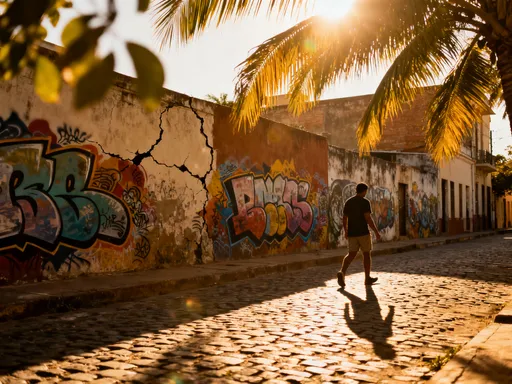
Another hidden gem is the Tiong Bahru graffiti lane, tucked behind Block 55. Once an anonymous alley, it’s now a rotating canvas for local street artists. Unlike the curated murals in tourist areas, this space feels spontaneous and alive. Tags, stencils, and freehand drawings layer over one another, creating a visual diary of the city’s underground art scene. Some pieces carry social messages about sustainability or mental health, while others are purely playful—a cartoon rooster wearing sunglasses, a surreal fish floating through clouds. There’s no official permission required here, but a quiet respect among artists maintains its integrity.
Community centers and void decks (the open ground floors of HDB flats) also host surprising artistic expressions. In estates like Ang Mo Kio and Sengkang, residents have collaborated with artists to paint murals depicting neighborhood life—children playing hopscotch, elders chatting over tea, hawkers serving noodles. These works foster pride and recognition, turning impersonal spaces into emotional landmarks. Some even include QR codes that link to audio stories from longtime residents, adding a digital layer to the physical art.
Finding these spots requires a bit of curiosity, but they’re well worth the effort. Public buses and the MRT make most locations accessible, and walking or cycling allows for deeper exploration. When visiting, it’s important to be respectful—avoid touching wet paint, keep noise levels low in residential areas, and always ask permission before photographing people. These spaces thrive because of community support, and visitors play a role in preserving their spirit.
Art and Architecture: Marina Bay’s Visual Symphony
Marina Bay is where Singapore’s ambition and artistry converge. The skyline here is not just a collection of buildings—it’s a carefully composed visual symphony. Each structure contributes to a narrative of innovation, resilience, and beauty. The ArtScience Museum, with its ten-fingered form, symbolizes human creativity reaching toward the sky. Marina Bay Sands, with its sky park linking three towers, evokes a sense of unity and balance. And the Supertree Grove, a cluster of vertical gardens up to 50 meters tall, performs a nightly light-and-sound show that feels both futuristic and deeply organic.
The *Garden Rhapsody* light show at the Supertrees is more than entertainment—it’s a work of environmental art. The choreographed display uses energy-efficient LED lights and original music to tell a story of harmony between nature and technology. As colors shift from deep blue to warm gold, the trees seem to breathe and dance. For families, it’s a magical end to a day of exploration. Best viewed from the waterfront promenade, the show offers multiple vantage points, and nearby benches provide comfortable seating. Arriving 30 minutes early ensures a good spot, especially on weekends.
But the artistry of Marina Bay isn’t just in the lights—it’s in the details. The walkways are lined with textured tiles that mimic water ripples, and benches are sculpted to resemble waves. Even the drainage grates carry floral patterns inspired by regional plants. These subtle touches show how deeply design thinking is embedded in the city’s planning. For those who love photography, early evening offers the perfect balance of natural and artificial light, with reflections on the water doubling the visual impact.
Nearby cafés and hawker stalls allow visitors to extend their experience. A bowl of laksa or a kopi (local coffee) enjoyed on a balcony overlooking the bay turns observation into ritual. This blend of art, food, and comfort is what makes Marina Bay so inviting—it doesn’t demand admiration; it offers belonging.
Making It Personal: How to Experience Art Like a Local
Experiencing Singapore’s art scene doesn’t require expertise or a packed schedule. The most meaningful encounters often happen when you slow down and follow your curiosity. Start by combining gallery visits with neighborhood exploration. After seeing an exhibition at Gillman Barracks, take a bus to nearby Telok Blangah to explore its hawker center and seaside park. Or pair a trip to the ArtScience Museum with a walk through Marina Barrage, where green roofs and wind turbines blend sustainability with design.
Use technology to enhance your journey. The National Gallery Singapore offers a free app with self-guided art trails across the city, including audio commentary and historical context. Google Maps can help you plot walking routes that connect multiple art spots, like linking Haji Lane to the Sultan Mosque and then to the Malay Heritage Centre. Many major institutions, including the Singapore Art Museum and the Asian Civilisations Museum, offer free admission on specific days—check their websites in advance to plan accordingly.
But don’t let logistics overshadow presence. Sometimes, the most powerful moment comes from sitting quietly in front of a single artwork, letting it unfold in your mind. Bring a small notebook and sketch what you see, or jot down thoughts and feelings. Talk to gallery staff or local artists if they’re available—many are happy to share insights. For families, turning art viewing into a game—‘find the hidden animal in the mural’ or ‘draw your favorite color from the installation’—keeps children engaged while nurturing their creativity.
Remember, art in Singapore is not confined to elite spaces. It lives in the way a hawker arranges chili sauce on a plate, in the pattern of tiles at a bus stop, in the laughter of children running through a light projection. When you open yourself to these moments, the city reveals its soul—one brushstroke, one smile, one quiet revelation at a time.
Singapore’s art spaces reveal a deeper truth: creativity isn’t confined—it spreads. From official installations to grassroots expressions, the city invites everyone to see, feel, and participate. Whether you're drawn to bold street murals or serene galleries, there’s a space waiting to speak to you. The real masterpiece? The way art turns a simple walk into a story worth remembering.