You Won’t Believe What I Found in Asunción’s Hidden Urban Corners
Walking through Asunción, I didn’t expect to fall in love with its quiet alleys, sunlit plazas, and street art that whispers stories. This isn’t just a capital city—it’s a living canvas. If you’re craving authentic urban moments beyond tourist trails, Asunción delivers. Let me show you the soul of Paraguay, one unexpected corner at a time. There’s a rhythm here that doesn’t announce itself with fanfare but reveals itself slowly, in the way an elder tunes a guitar under a mango tree or how a muralist adds one more brushstroke to a wall that’s seen decades pass. This is a city shaped by resilience, creativity, and quiet dignity—a place where urban life still feels human-scaled and deeply personal.
First Impressions: A City That Doesn’t Try Too Hard
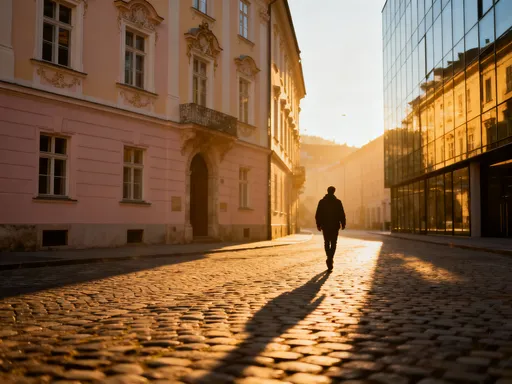
Arriving in Asunción, there’s no dramatic skyline or monumental gateway. Instead, you’re met with a gentle embrace of warm air, honking mototaxis, and the rustle of palm trees lining wide avenues. The city doesn’t perform for visitors; it simply lives. Unlike other Latin American capitals polished for postcard perfection, Asunción wears its imperfections openly—cracked sidewalks, faded paint on colonial facades, and the occasional stray dog napping in the shade. Yet, this unvarnished authenticity is precisely what makes it so refreshing. There’s no pressure to impress, only an invitation to observe and absorb.
The contrast between Asunción’s modest international reputation and its vibrant street life is striking. Often overlooked in favor of flashier destinations, the city thrives on understated charm. Markets buzz with the scent of freshly grilled chipa, the national cheese bread, while vendors call out prices in a melodic mix of Spanish and Guarani. Sidewalks double as social corridors where neighbors exchange news and children chase each other between parked cars. This organic flow of daily life isn’t staged for tourists—it’s the real pulse of the city, beating steadily beneath the surface.
What makes Asunción particularly compelling is its resistance to overdevelopment. While many capitals rush to modernize with glass towers and shopping malls, Asunción maintains a balance between progress and preservation. New construction rises alongside century-old buildings, not in place of them. This coexistence allows visitors to experience layers of history in a single block. The city’s humility is not a lack of ambition but a quiet confidence in its identity—a reminder that beauty doesn’t require grandeur to be felt.
The Pulse of Public Spaces: Plazas as Living Rooms
In Asunción, public plazas are not just decorative spaces—they are functional extensions of home life. Locals treat them as communal living rooms where daily rituals unfold naturally. Families gather on weekends, spreading out on benches or sitting on the grass with thermoses of tereré, the cold herbal tea that fuels Paraguayan afternoons. Children chase pigeons around fountains, while older couples stroll arm in arm, savoring the late-day light. These plazas pulse with warmth and familiarity, offering a rare sense of belonging even to first-time visitors.
Plaza Independencia, the city’s central square, exemplifies this social rhythm. Framed by the Palacio de los López, the neoclassical presidential palace that glows white at dusk, the plaza is both a historical landmark and a living space. During the day, office workers pause for quick lunches on shaded benches; by evening, musicians set up near the monument to José Gaspar Rodríguez de Francia, the country’s first leader, and fill the air with folk melodies. The blend of colonial architecture and contemporary life creates a dynamic harmony—history isn’t locked behind glass but lived alongside.
The thoughtful design of these public areas enhances their role as social hubs. Generous tree canopies provide relief from the subtropical sun, while fountains offer both visual calm and a cooling mist. Benches are positioned to encourage conversation, often facing each other rather than the monuments. Even the paving stones, worn smooth by decades of foot traffic, tell a story of consistent use. These details may seem minor, but they shape how people engage with the space—inviting lingering, connection, and unplanned interactions. In a world where urban design often prioritizes efficiency over emotion, Asunción’s plazas stand as gentle rebels.
Street Art with a Message: Walls That Speak
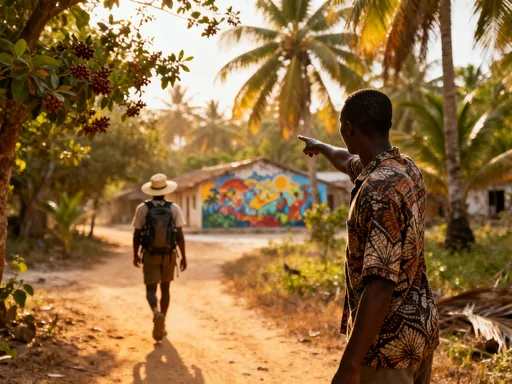
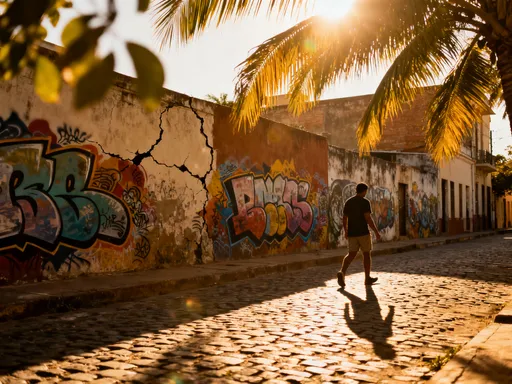
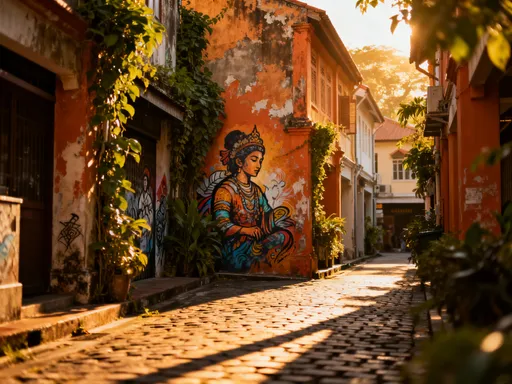
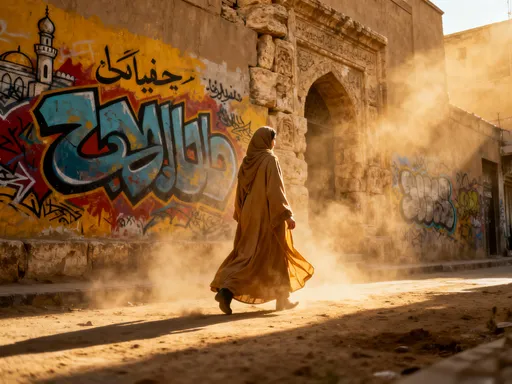
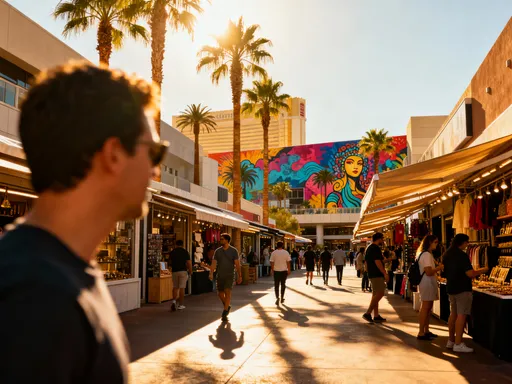
Asunción’s streets are alive with color and commentary. Across neighborhoods, blank walls have become canvases for powerful storytelling. Murals depict indigenous leaders, historical struggles, and visions of a more just society. Unlike commercial graffiti seen in other cities, much of Asunción’s street art carries deep cultural resonance. It’s not about rebellion for its own sake but about reclaiming public space for dialogue, memory, and hope. These artworks don’t wait for permission—they appear overnight, born from passion rather than policy.
Areas like Barrio Ypané and Las Mercedes have emerged as open-air galleries. In Ypané, a mural of a Guarani woman weaving traditional ñandutí lace stretches across an entire building, celebrating ancestral craftsmanship. In Las Mercedes, a vibrant depiction of the 1932 Chaco War soldiers honors national sacrifice while questioning the cost of conflict. Each piece invites passersby to pause and reflect. The artists—many of them young and self-taught—use their work to educate, inspire, and challenge. Their tools are spray paint and brushes, but their mission is cultural preservation.
What makes this movement especially meaningful is its accessibility. Unlike museum art, which requires tickets and travel, these murals are free and integrated into daily life. A mother walking her child to school might point out a painted jaguar symbolizing strength; a student might stop to photograph a quote from a Paraguayan poet embedded in a geometric design. The art becomes part of the neighborhood’s identity, evolving with it. Some walls are repainted over time, layering new messages over old, creating a visual timeline of the city’s evolving conscience. In this way, street art in Asunción is not vandalism—it’s civic conversation made visible.
Green Spaces in the Concrete: Where the City Breathes
Amid the urban fabric, Asunción’s parks serve as vital lungs. Parque Ñu Guasú, one of the largest green spaces in the city, offers a sanctuary from the heat and noise of traffic. Families picnic under towering tipa trees, couples walk hand in hand along paved paths, and fitness groups gather at dawn for group exercises. The park’s design prioritizes natural integration—native plants, open lawns, and shaded trails encourage people to slow down and reconnect with nature. It’s not manicured to perfection but allowed to grow with a gentle wildness that feels comforting rather than chaotic.
Similarly, Parque Municipal Carlos Antonio López, located near the city center, functions as a weekend escape for residents seeking fresh air and recreation. Children laugh on playgrounds, while elders play dominoes at covered tables. The park features open-air gyms with basic equipment, promoting health without requiring gym memberships. These spaces are not luxuries but necessities in a city where home environments may be small or crowded. For many families, the park is the only place where children can run freely and adults can breathe deeply.
The presence of these green zones also reflects a deeper understanding of urban well-being. Studies have shown that access to nature reduces stress and improves mental health, and Asunción’s parks deliver this benefit organically. They are not isolated oases but woven into the city’s structure, connected by pedestrian pathways and public transport. Their maintenance—though sometimes inconsistent—remains a community priority. Volunteer clean-up days are common, and local schools often adopt sections for environmental education. In this way, the parks become more than green spaces; they are classrooms, therapy rooms, and community centers—all under the open sky.
Urban Mobility: Getting Around Like a Local
Navigating Asunción is an exercise in patience and presence. The city’s transportation system revolves around shared taxis, known as *taxis colectivos*, which follow fixed routes and pick up multiple passengers heading in the same direction. These vehicles—often aging sedans with faded signs in the window—are affordable and ubiquitous. Boarding one feels like joining a temporary community; drivers greet regulars by name, and passengers often strike up conversations about weather, football, or family news.
Walking is another essential mode of movement, especially in the central neighborhoods. Sidewalks may be uneven, but the slow pace allows for observation. You notice the way bougainvillea spills over iron gates, the sound of a radio playing cumbia from an open window, the smell of roasted corn from a street vendor’s cart. There’s no rush, only rhythm. This deliberate tempo encourages mindfulness—travelers who try to hurry often find themselves out of sync with the city’s natural flow. Asunción rewards those who move with it, not against it.
Public buses exist but are less reliable for visitors unfamiliar with routes and schedules. Still, occasional rides offer insight into daily life—seeing students in uniforms, workers carrying lunch boxes, or vendors selling snacks onboard. The limited infrastructure, often seen as a drawback, paradoxically enhances the human scale of exploration. Without extensive subways or highways, the city remains walkable and intimate. Distances feel manageable, and landmarks are often visible in the distance—church spires, the Palacio de los López, or the red-tiled roofs of colonial homes. In Asunción, getting from place to place isn’t just about efficiency; it’s part of the experience.
Hidden Courtyards and Forgotten Architecture: Peeking Behind the Facade
One of Asunción’s most enchanting secrets lies behind unassuming doors. Tucked between modern storefronts and apartment buildings are colonial-era homes with inner courtyards—*patios interiores*—that feel like stepping into another century. These spaces, once the heart of family life, feature tile floors, potted plants, and wooden balconies wrapped around a central open area. Sunlight filters through latticework, casting delicate shadows that shift with the hours. Though many of these homes are in disrepair, their architectural beauty endures.
The design of these residences reflects a blend of Spanish colonial influence and indigenous adaptation. Thick adobe walls provide natural insulation against the heat, while high ceilings allow hot air to rise. Courtyards were originally designed for privacy, social gatherings, and even small-scale farming—some families still grow herbs and flowers in ceramic pots. The use of local materials like red clay tiles and hand-carved wood speaks to a sustainable tradition long before the term became popular. These homes weren’t built for show but for living—functional, comfortable, and deeply connected to the environment.
A few of these historic mansions, known as *casonas*, have been preserved and repurposed. Some now house cultural centers, small museums, or artisan shops. Walking through one is like entering a living archive—the creak of wooden floors, the scent of aged wood, the quiet dignity of spaces that once hosted political discussions, family celebrations, and quiet evenings with books and candles. While not all are open to the public, even glimpsing a courtyard through an open gate offers a moment of awe. These architectural remnants remind us that history isn’t always in monuments—it’s in the details of everyday spaces that once held lives.
Why Asunción’s Urban Soul Matters Now More Than Ever
In an era of increasingly generic cities—where shopping malls, chain cafes, and high-rise apartments look the same from Santiago to Seoul—Asunción stands as a quiet act of resistance. It refuses to be homogenized. Its streets retain character. Its people prioritize connection over convenience. Its public spaces remain open, unmonetized, and accessible. In a world racing toward digital isolation and urban anonymity, Asunción offers a model of what a humane city can be—one that values presence over productivity, community over consumption.
The city’s strength lies in its imperfections. The lack of a metro system means more walking. The absence of luxury boutiques means more local markets. The faded paint on historic buildings means more stories waiting to be uncovered. These are not shortcomings but invitations—to slow down, to look closer, to engage. Asunción doesn’t dazzle; it reveals. And in that revelation, there’s a deeper kind of beauty—one rooted in authenticity, resilience, and shared humanity.
For travelers, especially those in the 30–55 age range seeking meaningful experiences, Asunción offers something rare: the chance to wander without an agenda. To sit in a plaza with a cup of freshly squeezed jugo de maracuyá and watch life unfold. To strike up a conversation with a local artist or retiree who remembers how the city used to be. To feel, even briefly, like part of a community rather than just a visitor. This is not tourism as spectacle but as connection.
So let go of the GPS. Step off the main avenues. Turn down a quiet street where laundry flaps between buildings and the sound of a guitar drifts from an open window. Let Asunción reveal itself in its own time. You won’t find luxury resorts or five-star attractions. But you will find something more valuable: a city that hasn’t forgotten how to breathe, how to gather, how to be. It’s not flashy. It’s real. And in today’s world, that’s the most powerful kind of magic.