You Won’t Believe What I Found in Nuwara Eliya
Nestled in Sri Lanka’s misty highlands, Nuwara Eliya feels like stepping into a hidden corner of old-world charm. I went looking for adventure—and stumbled upon something far more surprising: colonial-era buildings frozen in time, blending seamlessly with lush tea estates and mountain fog. These landmark structures aren’t just beautiful; they tell stories of a bygone era. What makes them so special? Let me take you on a journey through the heart of Sri Lanka’s most enchanting highland escape.
Arrival in the “Little England” of Sri Lanka
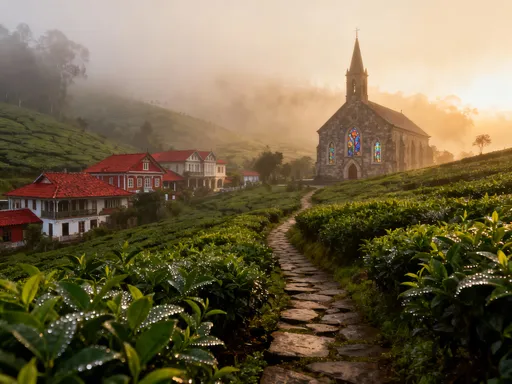
As the train descends through the cool, cloud-wrapped hills of central Sri Lanka, the landscape begins to change. The tropical heat of the lowlands gives way to crisp mountain air, and emerald tea plantations unfold in undulating waves across steep slopes. When you finally step onto the platform of Nuwara Eliya, the sensation is almost surreal. Towering eucalyptus trees line the station, and stone cottages with red-tiled roofs peek through the mist, evoking a scene more suited to the English countryside than a South Asian island nation.
This striking transformation is no accident. Nuwara Eliya, often referred to as “Little England,” was established by the British in the 19th century as a hill station retreat. Seeking relief from the sweltering heat of the coastal regions, colonial administrators and tea planters carved out a sanctuary in these highlands, recreating familiar architecture and landscaping to soothe their homesickness. At an elevation of nearly 6,200 feet, the town offered not only cooler temperatures but also fertile soil ideal for growing European vegetables and, later, tea.
The emotional impact of this place is immediate. For many visitors, especially women in their 30s to 50s who appreciate history, tranquility, and thoughtful travel, Nuwara Eliya feels like a gentle embrace. There is a sense of time slowing down—of being invited to pause, breathe, and absorb the quiet dignity of buildings that have stood for over a century. The juxtaposition of Victorian-style homes nestled among tropical greenery creates a dreamlike atmosphere, one that feels both authentic and nostalgic.
Walking through the town center, you notice the attention to detail: wrought-iron gates, ivy-covered walls, and chimneys that once warmed British families during chilly mountain nights. While the colonial era is a complex chapter in Sri Lanka’s history, these structures now serve as peaceful reminders of cultural exchange, adaptation, and resilience. Today, Nuwara Eliya is not a relic frozen in time, but a living town where history and modernity coexist with grace.
The Grand Dame: Grand Hotel and Its Timeless Elegance
Rising proudly at the edge of Gregory Lake, the Grand Hotel stands as the most iconic symbol of Nuwara Eliya’s colonial legacy. Originally built in the early 20th century, this heritage-listed property has welcomed travelers, dignitaries, and tea barons for over a hundred years. With its imposing stone façade, steeply pitched roof, and tall windows framed in dark wood, the hotel looks like it was lifted from the pages of a classic novel. Stepping inside, you are greeted by the scent of polished wood, the soft creak of floorboards, and the quiet hum of history.
The interiors have been meticulously preserved to reflect the elegance of a bygone era. Chandeliers hang from high ceilings, antique furniture lines the corridors, and oil paintings of colonial landscapes adorn the walls. One of the most cherished traditions here is afternoon tea in the grand lounge—a ritual that draws both guests and day visitors. Served on fine china with delicate sandwiches and freshly baked scones, the experience feels like a tribute to the refined tastes of the past.
What makes the Grand Hotel truly special is not just its beauty, but its continuity. Unlike many historic buildings that have been repurposed beyond recognition, this hotel has retained its original function while adapting to modern standards of comfort. Guests can stay in rooms with period details—high ceilings, four-poster beds, and vintage-style bathrooms—without sacrificing modern amenities like heating and Wi-Fi. For travelers who value both comfort and authenticity, it offers a rare balance.
Even if you don’t stay overnight, visiting the Grand Hotel is a must. You can enjoy tea in the lounge, stroll through the manicured gardens, or simply sit by the fireplace and watch the mist roll in from the lake. The staff, many of whom have worked here for decades, often share stories of famous visitors and long-ago celebrations. These personal touches add depth to the experience, making it more than just a photo opportunity—it becomes a moment of connection with the past.
St. Andrew’s Church: A Quiet Miracle in Stone
Just a short walk from the Grand Hotel, nestled among hydrangeas and rhododendrons, stands St. Andrew’s Church—a small but profoundly moving example of colonial-era craftsmanship. Built in 1845 by Scottish tea planters, this Presbyterian church was designed to serve the spiritual needs of British expatriates who had made Nuwara Eliya their home. With its grey stone walls, pointed arches, and simple wooden spire, the building blends seamlessly into the misty landscape, as if it has always belonged there.
Inside, the atmosphere is one of quiet reverence. Sunlight filters through stained-glass windows depicting biblical scenes, casting soft colors onto the wooden pews and stone floor. The altar is modest, made of local timber, and the pulpit retains its original carving. On Sunday mornings, the sound of hymns still fills the air, sung by a small but devoted congregation that includes both descendants of planters and local parishioners. This continuity of worship, uninterrupted for nearly two centuries, is a testament to the church’s enduring role in the community.
What strikes many visitors, especially women who value peace and reflection, is the sense of serenity that permeates the space. Unlike grand cathedrals designed to inspire awe, St. Andrew’s feels intimate and personal. It invites quiet contemplation, whether you are religious or not. The occasional patter of rain on the roof, the distant call of a hill bird, and the scent of damp earth from the surrounding garden all contribute to a feeling of being gently removed from the modern world.
The church’s survival through time is nothing short of remarkable. Despite exposure to humidity, seasonal rains, and the passage of generations, the structure remains intact thanks to careful maintenance and community stewardship. Restoration efforts have focused on preserving original materials—stone, wood, and glass—rather than replacing them with modern substitutes. This commitment to authenticity allows visitors to experience the building as it was intended: not as a museum piece, but as a living place of worship and memory.
The Post Office That Feels Like a Time Capsule
In the heart of Nuwara Eliya’s town center, tucked between souvenir shops and tea stalls, stands one of the most unassuming yet enchanting colonial buildings: the old Post Office. At first glance, it might be easy to overlook—a small red-brick structure with a gabled roof and a green door. But step closer, and you’ll notice the fine craftsmanship: hand-carved wooden eaves, a vintage clock above the entrance, and a counter made of dark, well-worn teak. This is not just a functional building; it’s a portal to another time.
Established during the British administration, the post office once served as a vital communication hub for tea planters, administrators, and travelers. Letters, telegrams, and parcels passed through here, connecting the remote highlands to Colombo and beyond. Today, it still operates as a working post office, handling mail with the same quiet efficiency it always has. But for visitors, it offers something more: the chance to send a postcard the old-fashioned way.
Buying a stamp, writing a message, and dropping a card into the red mailbox feels like a small act of mindfulness. In an age of instant messaging and digital communication, this simple ritual reconnects us with the value of patience and personal touch. Many women who visit say they write to their daughters, sisters, or mothers—sharing not just sights, but feelings. One traveler remarked, “It felt like I was sending a piece of peace back home.”
The staff, dressed in traditional uniforms, often assist with stamp selection and even offer recommendations for scenic spots to feature on postcards. They take pride in their role, not just as postal workers, but as keepers of a tradition. The building itself, though modest in size, has been preserved with care—its bricks cleaned, its roof repaired, its interior maintained to reflect its historical character. It stands as a quiet reminder that even the smallest structures can carry great significance.
Hakgala Gardens’ Hidden Administrative Buildings
While most visitors come to Hakgala Botanical Garden for its vibrant blooms and panoramic views, few venture beyond the flowerbeds to notice the cluster of colonial-era buildings tucked near the rear entrance. These structures—once used for agricultural research and estate management—are quiet, unassuming, and rich with history. Built in the late 1800s, they served as offices, laboratories, and living quarters for British botanists and horticulturists who studied plant adaptation in the highlands.
The main administrative building is a two-story stone structure with wide verandas and tall, latticed windows. Inside, remnants of old maps, weathered ledgers, and vintage gardening tools hint at its former purpose. Though not open to the public as a museum, the exterior is accessible, and guided tours occasionally include brief stops here. What makes these buildings special is their integration with the landscape—they were designed to support scientific work while harmonizing with the natural beauty of the garden.
For thoughtful travelers, especially those interested in history and sustainability, these structures add depth to the Hakgala experience. They represent an early effort to understand and cultivate the land responsibly—a value that resonates deeply today. The British introduced exotic plant species here, from roses to orchids, but also studied native flora, contributing to Sri Lanka’s botanical knowledge. This blend of curiosity and conservation continues to inspire modern horticulture.
Walking past these buildings, you can’t help but imagine the scientists who once worked here—notebooks in hand, observing seasonal changes, testing soil conditions, and recording their findings. Their legacy lives on not just in the garden’s design, but in the ongoing commitment to preserving biodiversity. These quiet landmarks remind us that heritage is not only about grand hotels or churches, but also about the everyday spaces where knowledge was built, one careful observation at a time.
Tea Plantation Bungalows: Where History Steeps in Silence
Scattered across the tea-covered hills surrounding Nuwara Eliya are dozens of colonial-era plantation bungalows—once the private homes of British tea managers, now some converted into boutique accommodations. These bungalows, often hidden down winding roads or nestled at the edge of estates, are architectural gems: single-story homes with wide verandas, steep roofs, hardwood floors, and large windows that frame breathtaking mountain views.
What makes them unique is their atmosphere. Unlike grand hotels, these bungalows offer intimacy and solitude. Many are still surrounded by working tea plantations, where women in wide-brimmed hats pluck leaves by hand each morning. Staying in one feels like stepping into a slower, more deliberate way of life. The sound of rustling tea bushes, the distant call of a kettle, and the golden light of sunrise over the hills create a sense of deep calm.
Several of these bungalows have been sensitively restored and opened to travelers seeking an immersive heritage experience. Furnished with antique furniture, old photographs, and books about tea history, they honor their past without feeling like staged museums. Guests can enjoy traditional Ceylon tea served on silver trays, dine on home-cooked Sri Lankan meals, and even take guided walks through the estates to learn about tea production.
For women who appreciate thoughtful travel and meaningful connections, these stays offer something rare: a chance to live, however briefly, within history. One visitor shared, “I felt like I was part of the landscape, not just passing through.” By supporting these restored bungalows, travelers also contribute to local employment and preservation efforts—ensuring that these quiet landmarks continue to tell their stories for generations to come.
Why These Buildings Matter Today
The colonial buildings of Nuwara Eliya are more than nostalgic relics—they are vital threads in Sri Lanka’s cultural fabric. In a rapidly modernizing world, they offer a tangible connection to the past, reminding us of the layers of history that shape a nation. Their preservation is not about glorifying a colonial era, but about honoring the craftsmanship, stories, and human experiences embedded in their walls.
Today, these structures face challenges. Humidity, rainfall, and increased tourism put pressure on aging materials. Yet, conservation efforts led by local authorities, heritage organizations, and private owners have made significant progress. Restoration projects prioritize authenticity, using traditional techniques and materials to maintain historical integrity. At the same time, adaptive reuse—such as converting bungalows into guesthouses or using old offices for community programs—ensures these buildings remain functional and relevant.
Tourism plays a crucial role in this balance. When visitors explore these sites with respect and curiosity, they support local economies and raise awareness about the importance of preservation. Simple actions—like choosing heritage stays, hiring local guides, or purchasing handmade crafts—can make a meaningful difference. Responsible tourism means moving beyond sightseeing to engage with history in a thoughtful, sustainable way.
For women who travel not just to see, but to feel and understand, Nuwara Eliya offers a profound experience. It invites reflection on how places evolve, how memories are preserved, and how beauty can be both delicate and enduring. These buildings do not shout for attention; they whisper. And in their quiet presence, we find a deeper appreciation for the passage of time, the resilience of place, and the stories that wait to be heard.
These landmark buildings are more than relics—they’re living chapters of Sri Lanka’s layered history. Discovering them transformed my view of Nuwara Eliya from a scenic stop to a place of deep historical resonance. In their quiet halls and weathered walls, I found stories waiting to be heard. Next time you're chasing beauty in the hills, remember: sometimes, the most unforgettable adventures aren’t wild or remote—they’re hidden in plain sight, dressed in stone and time.